ADVERTISEMENT
Dessert
Start Your Day Right: 15+ Healthy Low-Sugar Breakfasts
The best healthy, low-sugar breakfast ideas combine protein, fibre, and healthy fats to keep you full and energized without a crash. Think savoury egg scrambles with avocado, plain Greek yoghurt topped with berries and nuts, or a hearty bowl of oatmeal made from scratch. These options stabilize your blood sugar and set a positive tone for the rest of your day.
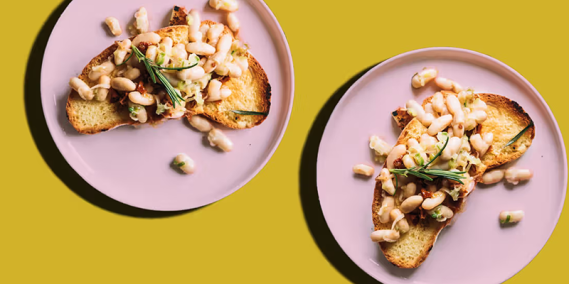
For years, I've seen clients struggle with the morning sugar trap, often hidden in so-called "healthy" cereals, yoghurts, and breakfast bars. This guide is designed to cut through the noise. We'll explore quick and delicious low-sugar breakfast options, dive into make-ahead strategies for busy weeks, and even break down how to shop smart for ingredients. My goal is to give you a complete playbook for a healthier, more energetic start to your day.
The Low-Sugar Breakfast Blueprint
Before we jump into recipes, let's establish a clear understanding of what we're aiming for. A successful low-sugar breakfast isn't about deprivation; it's about making smarter choices that fuel your body correctly.
What Exactly Is a 'Low-Sugar' Breakfast?
A "low-sugar" breakfast generally contains less than 10 grams of total sugar, with a strong preference for as little added sugar as possible (ideally under 5 grams). The focus isn't just on the sugar number, but on the source. The natural sugars in a handful of berries come packaged with fibre and vitamins, which is very different from the refined sugar in a frosted pastry or a sweetened coffee drink.
The true goal is to build a meal around these three pillars:
- Protein: (Eggs, Greek yoghurt, cottage cheese, tofu, lean sausage). Protein is crucial for satiety, helping you feel full longer and reducing mid-morning snack cravings.
- Fibre: (Vegetables, whole grains like oats, chia seeds, flax seeds, berries, avocado). Fibre slows down digestion and the absorption of sugar, leading to a more stable release of energy.
- Healthy Fats: (Avocado, nuts, seeds, olive oil). Like protein, healthy fats help you feel full and satisfied.
Why Is Starting The Day With Low Sugar So Important?
Starting your day with a high-sugar meal, like a large glass of orange juice and sugary cereal, sends your blood sugar on a roller coaster ride. You get a quick spike in energy, which feels suitable for a moment, but it's quickly followed by a "crash." This crash often leaves you feeling tired, irritable, and craving more sugar a couple of hours later.
A low-sugar, high-protein breakfast, on the other hand, promotes stable blood sugar levels. This leads to sustained energy, better focus and concentration, improved mood, and better appetite control throughout the day. It's one of the most impactful changes you can make for your overall health and wellbeing.
What Hidden Sugars Should I Watch Out For?
Sugar hides in many breakfast foods that are marketed as healthy. Being a savvy label reader is your best defence. Pay close attention to the "Added Sugars" line on the nutrition facts panel.
Common Culprit |
What to Watch For |
A Better Choice |
Flavored Yogurt |
Often contains 15-25g of sugar per serving. Look for words like "fruit on the bottom," vanilla, or honey. |
Plain Greek or regular yoghurt. Add your own fresh berries and a tiny drizzle of maple syrup if needed. |
Instant Oatmeal Packets |
The flavoured varieties (e.g., Maple & Brown Sugar) can be loaded with added sugars. |
Plain rolled oats or steel-cut oats. Control the sweetness yourself with fruit or a pinch of cinnamon. |
Granola & Cereals |
Many brands are more like dessert, with sugar, honey, or syrup as a primary ingredient. |
Look for brands with less than 6g of sugar per serving, or make your own simple granola at home. |
Plant-Based Milks |
"Original" or flavoured versions (like vanilla or chocolate) are often sweetened. |
Always choose the "Unsweetened" version of almond, soy, oat, or other plant-based milks. |
Breakfast Bars |
Many are essentially candy bars in disguise, held together by various syrups and sugars. |
Choose bars with whole food ingredients (nuts, seeds) and minimal added sugar. Or, make your own. |
Quick & Easy Ideas (Under 15 Minutes)
Let's be realistic—most of us don't have an hour to cook breakfast on a Tuesday morning. Here are some powerhouse ideas that are both fast and genuinely healthy.
What Can I Make In Minutes On a Busy Weekday?
Speed is key on workdays. My personal go-to is what I call the "10-Minute Scramble." It's incredibly versatile and hits all the right notes.

- Heat a teaspoon of olive oil or butter in a non-stick skillet over medium heat.
- Whisk 2-3 eggs with a splash of water or unsweetened milk, salt, and pepper.
- Pour the eggs into the pan. As they start to set, add a large handful of spinach and some pre-chopped veggies (like bell peppers or mushrooms).
- Scramble until the eggs are cooked to your liking. Top with a quarter of an avocado, sliced, and a sprinkle of feta cheese or a dash of hot sauce.
This entire process takes less time than brewing a pot of coffee and provides lasting energy.
Are There Any Good Low-Sugar Breakfast Ideas Without Eggs?
Absolutely! Eggs are great, but they aren't the only option. If you're tired of them or have an allergy, here are some excellent egg-free choices:
- Cottage Cheese Bowl: A fantastic high-protein base. Top a scoop of full-fat cottage cheese with a handful of raspberries, a tablespoon of chopped walnuts, and a sprinkle of cinnamon.
- Savoury Yoghurt Bowl: It might sound unusual, but it's delicious. Mix plain Greek yoghurt with a drizzle of olive oil, salt, pepper, and some chopped cucumber and tomato. It's like a Mediterranean dip for breakfast.
- Tofu Scramble: A perfect vegan alternative. Crumble firm tofu into a pan with turmeric (for colour), nutritional yeast (for a cheesy flavour), and your favourite veggies.
How Can I Make a Fast And Healthy Smoothie?
Smoothies can be a sugar bomb or a nutritional superstar—it all depends on the ingredients. The key is to follow a formula to keep it balanced.
Here's a foolproof, low-sugar smoothie template:
- Liquid Base (1 cup): Unsweetened almond milk, unsweetened soy milk, or water.
- Protein (1 scoop/serving): Plain Greek yoghurt, unflavored/vanilla protein powder, or a tablespoon of cottage cheese.
- Healthy Fat (1 tbsp): Almond butter, chia seeds, or flax seeds.
- Fibre & Greens (1 large handful): Spinach or kale. You won't taste it, I promise!
- Fruit (1/2 cup max): Frozen berries (like blueberries or raspberries) are best, as they are lower in sugar and higher in fibre. Avoid high-sugar fruits like mango or pineapple in large quantities.
Blend until smooth. This combination will keep you full for hours, unlike fruit-juice-based smoothies that can cause a sugar spike.
Savoury Breakfast Champions
Many of us are conditioned to think breakfast has to be sweet. Embracing savoury options is one of the easiest ways to slash your morning sugar intake. Think of it as a small, balanced dinner to start your day.
What Are The Best Savoury Low-Sugar Breakfast Options?
Beyond the egg scramble, there are plenty of satisfying savoury choices. The goal is to get protein and vegetables early.
- Breakfast Burrito (Low-Carb Style): Scramble eggs with black beans, onions, and peppers. Instead of a large flour tortilla, serve it in a low-carb whole-wheat tortilla or simply in a bowl topped with salsa and avocado.

- Smoked Salmon & Cream Cheese on Rye Crisps: A classic that feels indulgent but is perfectly balanced. Spread a thin layer of cream cheese on a couple of whole-grain rye crackers and top with a slice of smoked salmon, capers, and fresh dill.
- Leftover Magic: This is my secret weapon for busy mornings. Had roasted chicken and veggies for dinner? Reheat a small portion. It's a perfectly balanced, zero-prep breakfast that's ready in two minutes.
Can I Have Carbs In a Savoury Low-Sugar Breakfast?
Yes, you can and should! The key is to choose the right carbohydrates—complex carbs that are high in fibre. These provide steady energy without the sugar rush.
Good choices include:
- A single slice of 100% whole-grain or sourdough toast
- A small portion of roasted sweet potato
- A half-cup of cooked quinoa mixed into a scramble
- Whole-grain crackers or crisps
Pairing these fibre-rich carbs with protein and Fat creates a complete meal that will keep you satisfied and focused all morning long.
Make-Ahead & Meal Prep Magic
A little planning on Sunday can help you avoid poor choices during a hectic week. These meal prep ideas ensure a healthy breakfast is always ready to go.
How Can I Meal Prep Low-Sugar Breakfasts For The Week?
Meal prepping breakfast doesn't have to be complicated. The goal is to have components ready to assemble or entirely made meals ready to grab and heat.
Here is a sample weekly prep plan:
Meal Prep Item |
Sunday Prep (30 mins) |
Weekday Assembly (2 mins) |
Egg Muffins |
Whisk 12 eggs, pour into a muffin tin with chopped veggies and cheese. Bake at 375°F (190°C) for 15-20 mins. Store in the fridge. |
Grab 2-3 muffins and microwave for 30-45 seconds. |
Chia Seed Pudding |
In 4 separate jars, mix 3 tbsp chia seeds with 1 cup unsweetened milk and 1/2 tsp vanilla extract. Stir well and refrigerate. |
Grab a jar and top with a handful of berries and nuts. |
Smoothie Packs |
In freezer bags, portion out smoothie ingredients: spinach, berries, protein powder, and seeds. |
Dump one bag into the blender, add liquid, and blend. |
Are Overnight Oats a Good Low-Sugar Choice?
Overnight oats can be an excellent low-sugar breakfast, but just like smoothies, it all comes down to how you make them. The pre-made or coffee shop versions are often loaded with sugar.
To make a healthy version, stick to this formula for a single serving:
- Combine: In a jar, mix 1/2 cup of rolled oats, 1/2 cup of unsweetened milk, and one tablespoon of chia seeds.
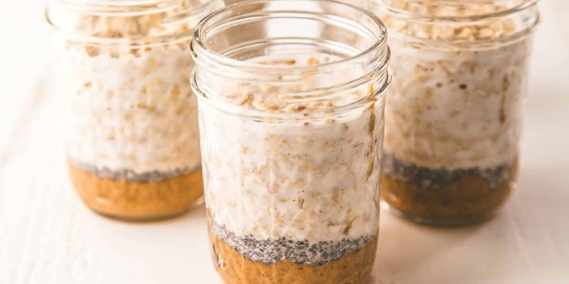
- Add Protein & Flavour: Stir in 2 tablespoons of plain Greek yoghurtyoghurt or a scoop of protein powder, along with 1/2 teaspoon of cinnamon or vanilla extract.
- Refrigerate: Seal the jar and let it sit in the fridge overnight (or for at least 4 hours).
- Serve: In the morning, top with a small handful of fresh berries and some chopped almonds before eating.
What Are Some Good Grab-And-Go Low-Sugar Ideas?
For those mornings when you are literally running out the door, having these on hand can be a lifesaver.
- Hard-Boiled Eggs: Make a batch at the start of the week. Grab two for a perfect protein-packed snack.
- Low-Sugar Protein Bars: Read labels carefully! Look for bars with less than 5g of sugar and a short, recognizable ingredient list (like RXBAR or LÄRABAR).
- A Handful of Almonds & a Cheese Stick: The classic protein-fat combo. It's simple, effective, and requires zero prep.
Smart Swaps & Shopping Guide
Building a healthy, low-sugar breakfast habit starts in the grocery store. Knowing what to buy and what to avoid is half the battle.
Which Yoghurts And Milks Are Best For a Low-Sugar Diet?
The dairy aisle can be confusing. Here's a simple rule: always go for plain and unsweetened.
- Yoghurt: Plain Greek yoghurt is the winner. It typically has double the protein and half the carbs of regular yoghurt. Look for brands with simple ingredients: milk and live active cultures. Fage 5% or 2% and Chobani Plain are great options.
- Milk: Whether it's dairy or plant-based, the "unsweetened" label is non-negotiable. Unsweetened almond, soy, and macadamia milk are excellent low-sugar, low-carb choices.
What About Fruit? How Much Is Too Much?
Fruit is healthy, but it does contain natural sugar. The key is portion control and choosing lower-sugar options. Berries (strawberries, blueberries, raspberries, blackberries) are your best friends. They are packed with fibre and antioxidants and are relatively low in sugar.
A good rule of thumb is to stick to about half a cup to 1 cup of fruit with your breakfast. Pair it with protein and Fat (like in a yoghurt bowl) to blunt any impact on your blood sugar.
Is Store-Bought Granola Or Cereal Ever a Good Option?
It can be, but you have to be a detective. Most mainstream cereals, even those marketed to adults, are high in sugar and refined grains. When looking for a cereal or granola, scan the nutrition label for these targets:
- Sugar: Less than 6 grams per serving.
- Fibre: At least 3-5 grams per serving.
- Ingredients: The first ingredient should be a whole grain (like whole wheat, oats, or bran).
Brands like Ezekiel 4:9 Sprouted Grain Cereal or plain shredded wheat are generally safe bets. For granola, it's often better and cheaper to make your own by toasting oats, nuts, and seeds with a bit of coconut oil and cinnamon.
Conclusion
Building a healthy, low-sugar breakfast routine is not about finding one "perfect" meal, but about understanding the principles of combining protein, fibre, and healthy fats. Whether you prefer a quick smoothie, a savoury scramble, or a make-ahead jar of overnight oats, the power to start your day with stable energy and sharp focus is entirely within your control. It's one of the most rewarding habits you can build for your long-term health.
Feeling inspired to reclaim your mornings? Start with one new idea this week. And if you found this guide helpful, please share it with a friend who's also looking for a healthier start to their day!
Related Articles
Dessert
April 15, 2026
Sugar-free Baking Substitutes for Diabetics
Dessert
April 11, 2026
Your Ultimate Guide To Healthy Dips And Spreads
Equity Market
April 2, 2026
How To Invest In International Stocks For Better Returns

Equity Market
March 31, 2026
How To Invest In Stocks Without Making Emotional Decisions

Most viewed
Simple Cupcake Recipes With Creative Toppings
April 13, 2026

Dessert
Superfood Lattes: Health-Boosting Drinks For Every Mood
April 3, 2026

Dessert
How To Invest In Stocks Without Making Emotional Decisions
March 31, 2026
Equity Market
The Simplest Stock Strategy For People Who Want Low Stress Investing
March 21, 2026

Equity Market