ADVERTISEMENT
Dessert
Your Ultimate Guide To Healthy Dips And Spreads
The best healthy dips and spreads are typically plant-based, rich in fibre and healthy fats, and easy to make at home. Standout choices include classic guacamole, protein-rich hummus, and versatile Greek yoghurt-based dips. They prove that you never have to sacrifice flavour for nutrition.
For years, I've seen friends and clients struggle with the same problem: finding snacks that are both satisfying and genuinely good for you. Dips and spreads often get a bad rap, associated with high-calorie, processed ingredients. But that's a huge misconception. The right dip can transform a boring plate of veggies into a crave-worthy treat.
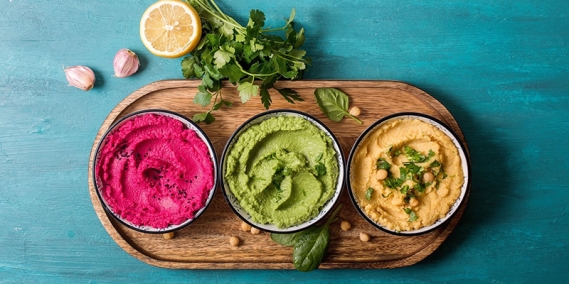
In this guide, we'll dive deep into what makes a dip truly healthy. We'll compare popular options like guacamole and hummus, explore the best healthy sandwich spreads, and give you practical tips for picking winners at the grocery store or whipping them up in your own kitchen. This is your ultimate resource for delicious, guilt-free dipping.
What Makes a Dip or Spread "Healthy"?
The term "healthy" can be confusing, but when it comes to dips, it's actually quite simple. We're looking for whole-food ingredients, healthy fats, fibre, and protein, while minimising processed oils, added sugars, and excessive sodium. It's about what's in it, not just what's left out.
What Are The Key Markers Of a Healthy Dip?
Think of a healthy dip as a mini-meal. It should offer real nutritional value. For over 20 years, I've used a simple checklist when evaluating any dip or spread, whether I'm making it myself or buying it.
Here's what to look for:
- A Whole-Food Base: The first ingredient should be something you recognise, like avocados, chickpeas, Greek yoghurt, beans, or vegetables.
- Healthy Fats: Look for fats from sources like avocados, nuts, seeds, and olive oil. These are monounsaturated and polyunsaturated fats that support heart and brain health.
- Fibre and Protein: The dynamic duo for satiety. Fibre (from beans and veggies) and protein (from yoghurt, nuts, and legumes) keep you feeling full and satisfied, helping prevent overeating.
- Simple Ingredient List: Fewer ingredients are often better. If you can't pronounce half the items on the list, put them back on the shelf.
Are Store-Bought Dips a Good Choice?
Absolutely, they can be! Life is busy, and sometimes you need to grab something and go. The key is to become a savvy label-reader. Many brands now offer fantastic, healthy options that taste just as good as homemade.
However, you have to be careful. Some products marketed as "healthy" or "natural" can be loaded with hidden sodium, sugar, and unhealthy vegetable oils, such as soybean or canola oil, which are often used as cheap fillers. My rule of thumb: always check the ingredients and nutrition panel, not just the claims on the front of the package.
What Ingredients Should I Avoid In Store-Bought Dips?
Navigating the grocery aisle can feel like a minefield. To make it easier, I've created a simple table that breaks down the ordinary good guys and bad guys you'll find on an ingredient list. Keep this in mind next time you're shopping.
Ingredients to Look For (The Good) |
Ingredients to Avoid (The Bad) |
Extra Virgin Olive Oil, Avocado Oil |
Soybean Oil, Canola Oil, "Vegetable Oil" Blends |
Chickpeas, Beans, Lentils, Avocados |
Potassium Sorbate, Sodium Benzoate (in high amounts) |
Greek Yoghurt, Cottage Cheese |
Corn Syrup, Cane Sugar, Dextrose |
Herbs (Cilantro, Dill), Spices (Cumin, Paprika) |
Artificial Flavours, "Yeast Extract" (often hides MSG) |
Lemon Juice, Vinegar |
Maltodextrin, Modified Food Starch |
The Best Healthy Dips: Our Top Picks
Now for the fun part! Let's talk about the best-of-the-best. These are the dips I consistently recommend and keep stocked in my own fridge. They are delicious, versatile, and packed with nutritional benefits.
What Is The Absolute Healthiest Dip You Can Eat?
If I had to pick just one, it would be a tough call between guacamole and hummus. But for all-around nutritional power, classic guacamole often takes the lead. It's made from avocados, a true superfood.
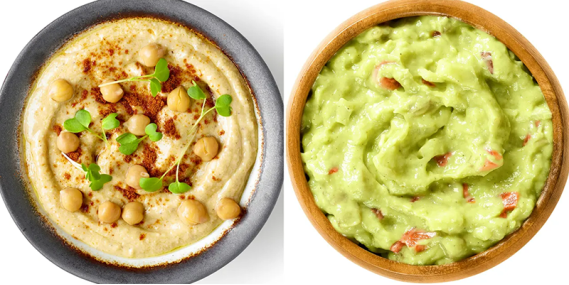
Guacamole is loaded with heart-healthy monounsaturated fats, fibre, and potassium. It's also straightforward to make at home with just a few fresh ingredients: ripe avocados, lime juice, onion, cilantro, and a pinch of salt. This simplicity means you have total control over what goes in it, with no room for unhealthy additives.
Is Guacamole Or Hummus Healthier? A Detailed Comparison.
This is the classic debate! Both are fantastic, healthy choices, but they serve slightly different nutritional purposes. It's not about one being "better," but about which one fits your needs for a particular meal or snack.
I've broken it down for you here:
Feature |
Guacamole |
Hummus |
Main Ingredient |
Avocado |
Chickpeas |
Primary Nutrient |
Healthy Fats (Monounsaturated) |
Protein & Fiber |
Best For... |
Sustained energy, heart health, vitamin E, and potassium. |
Feeling full, digestive health, and a plant-based protein boost. |
Calorie Density |
Higher |
Lower |
Homemade Ease |
Very easy (mashing) |
Easy (requires a food processor) |
Common Pitfall |
Portion size (it's easy to eat a lot!) |
Store-bought versions with cheap oils and preservatives. |
The verdict? Rotate between both! Use hummus when you need a protein-forward snack to keep you full until your next meal. Reach for guacamole when you want a dose of healthy fats that will keep your energy levels stable.
What Are The Best High-Protein Dip Options?
Protein is crucial for muscle repair, immune function, and staying full. While hummus is a good source, there are other fantastic options if you want to dial up the protein even more.
- Greek Yoghurt Dips: Plain, full-fat Greek yoghurt is a protein powerhouse. Mix it with fresh dill, lemon juice, and garlic for a classic Tzatziki, or with ranch seasoning for a healthier take on the veggie-tray staple. A single serving can easily pack 15-20 grams of protein.
- Cottage Cheese Dips: Don't sleep on cottage cheese! Blended until smooth, it creates an incredibly creamy, high-protein base. I love mixing it with roasted red peppers or everything bagel seasoning.
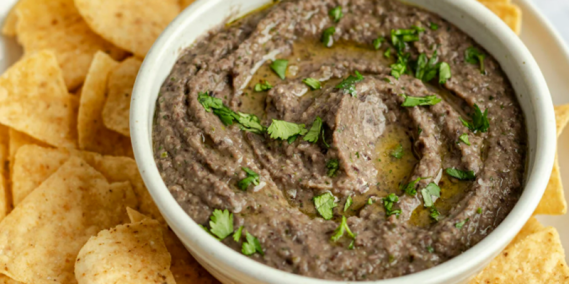
- Black Bean Dip: Beans are a fantastic source of both protein and fibre. A simple black bean dip made with lime juice, cumin, and cilantro is not only delicious but also incredibly satisfying and great for gut health.
Healthy Spreads for Every Occasion
Spreads are the unsung heroes of sandwiches, toast, and wraps. But traditional choices like mayonnaise or sugary jellies can quickly derail a healthy meal. Here are some of my favourite nutrient-dense alternatives.
What Can I Use As a Healthy Sandwich Spread Instead Of Mayo?
This is a question I get all the time. Mayonnaise is mostly oil and can add a lot of calories without much nutrition. Luckily, there are so many creamy and flavorful substitutes.
Here are my top 5 mayo swaps:
- Mashed Avocado: The simplest and one of the best. It provides the creaminess you crave along with healthy fats and fibre. A sprinkle of salt and a squeeze of lime juice make it perfect.
- Hummus: It's not just for dipping! Hummus adds moisture, flavour, and a boost of plant-based protein to any sandwich or wrap. Roasted red pepper or garlic hummus works exceptionally well.
- Blended Cottage Cheese: As mentioned before, blending cottage cheese makes it smoother and easier to spread. It's a fantastic, high-protein base you can season however you like.
- Greek Yoghurt: A thick, plain Greek yoghurtyoghurt can be a fantastic, tangy alternative, especially in chicken or tuna salad. It cuts calories while dramatically increasing protein content.
- Pesto: While it can be higher in calories, a traditional pesto made with olive oil, basil, pine nuts, and garlic is packed with healthy fats and antioxidants. A little goes a long way.
Are Nut Butters a Healthy Spread Option?
Yes, but with a big asterisk. Natural nut butters—like almond, peanut, or cashew butter—are excellent sources of healthy fats, protein, and micronutrients. They are a fantastic, energy-dense spread.
The key is to read the label. The ingredient list should be very short: nuts and a little salt. Avoid brands with added sugars (corn syrup, sugar), hydrogenated oils (trans fats), and palm oil. These are added to prevent separation and improve texture, but they detract from the health benefits.
Bright Pairings & Serving Ideas
A great dip is only as good as what you serve it with! Moving beyond processed chips is the final step in creating a truly healthy and satisfying snack or meal component.
What Are The Best Healthy Things To Dip?
Think colour and crunch! The goal is to choose dippers that add their own nutritional value to the party.
- Crisp Veggies: This is the classic choice for a reason. Bell pepper strips (all colours!), cucumber slices, carrot sticks, celery sticks, jicama sticks, and snap peas are all fantastic.
- Whole-Grain Crackers: Look for crackers where the first ingredient is a whole grain (like whole wheat, brown rice, or oats) and that have at least 3 grams of fibre per serving.
- Sliced Fruit: Don't forget fruit! Apple slices are amazing with nut butters or a savoury cottage cheese dip.
- Baked Tortilla or Pita Chips: If you love chips, make your own! Cut whole-wheat tortillas or pitas into wedges, spritz with a bit of olive oil, season, and bake until crisp.
I once brought a "dip board" to a party with three of the dips mentioned here (guac, hummus, and a yoghurt dip) and a massive platter of only colourful veggies for dipping. It was the first thing to disappear. People are often craving fresh, healthy options!
Conclusion
Finding the best healthy dips and spreads is all about embracing whole, simple ingredients. Whether you choose creamy guacamole, protein-packed hummus, or a tangy Greek yoghurt dip, you're adding incredible flavour and nutrition to your plate. Remember to read labels on store-bought versions and don't be afraid to experiment in your own kitchen—it's often easier than you think.
By choosing nutrient-dense options and pairing them with equally healthy dippers, you can transform your snack time and meals. If you found this guide helpful, please share it with a friend who's looking for delicious ways to eat healthier!
Related Articles
Getting Started
April 5, 2026
The Best Beginner Stock Strategy For Volatile Markets

Equity Market
March 31, 2026
How To Invest In Stocks Without Making Emotional Decisions

Getting Started
March 30, 2026
Long-Term Stock Investing For Beginners: A Simple Framework

Equity Market
March 19, 2026
Warren Buffett's 90/10 Rule: How To Build a Simple, Low-Risk Portfolio

Most viewed
How To Pick Undervalued Stocks For Investment
April 13, 2026

Equity Market
The Best Beginner Stock Strategy For Volatile Markets
April 5, 2026
Getting Started
Superfood Lattes: Health-Boosting Drinks For Every Mood
April 3, 2026

Dessert
The Simplest Stock Strategy For People Who Want Low Stress Investing
March 21, 2026

Equity Market