ADVERTISEMENT
Dessert
Your Ultimate Guide To Post-Workout Nutrition And Meals
The best thing to eat after a workout is a meal that combines high-quality protein with easily digestible carbohydrates, consumed within 90 minutes of finishing your exercise. This powerful combination is your ticket to faster recovery, muscle repair, and replenishing the energy you just burned. Think of it as refuelling your body's engine after a long drive.
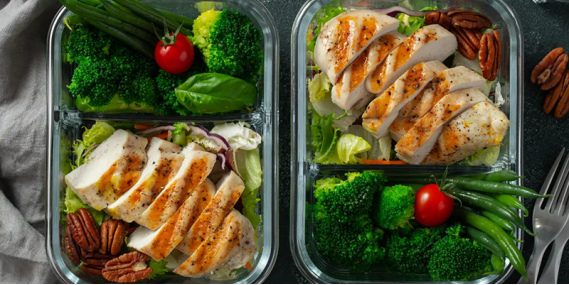
In this guide, we'll go way beyond that simple answer. We'll explore precisely what to eat after a workout, breaking down the science in simple terms. We will cover everything from ideal timing and specific food suggestions to crafting the perfect post-workout recovery meal for your goals, whether that's building muscle or improving endurance.
My goal is to give you the clear, actionable advice you need to make your post-workout nutrition effortless and effective. Let's turn your hard work in the gym into real, visible results.
The "Why": Understanding Post-Workout Nutrition's Critical Role
Why Is Eating After a Workout So Crucial For Recovery?
Think of your body like a construction site. A challenging workout is the demolition phase—you've created microscopic tears in your muscle fibres and used up your primary fuel source, called glycogen. Eating afterwards is the reconstruction phase. It's not just about satisfying hunger; it's a critical biological process.
Proper post-workout nutrition accomplishes three essential things, which I like to call the "3 R's":
- Repair: Protein provides the amino acids your body needs to patch up those tiny muscle tears. This doesn't just fix the damage; it builds the muscle back stronger and bigger than before. This process is called muscle protein synthesis (MPS).
- Replenish: Carbohydrates are broken down into glucose, which is stored in your muscles and liver as glycogen. During exercise, you burn through these glycogen stores. Eating carbs afterwards refills the tank, ensuring you have energy for your next workout and for the rest of your day.
- Rehydrate: You lose fluids and electrolytes (such as sodium and potassium) through sweating. Replenishing these is crucial for everything from nerve function to maintaining blood pressure and preventing muscle cramps.
Skipping this step is like leaving the construction crew without bricks and mortar. You delay recovery, increase muscle soreness, and miss the prime opportunity to capitalise on the hard work you just put in. In short, what you eat after you train is just as essential as the training itself.
The Core Components: Your Post-Workout Plate Blueprint
What Are The Key Macronutrients I Need After Exercise?
After a workout, your focus should be on two main macronutrients: Protein and Carbohydrates. Each plays a distinct, vital role in your recovery.
Protein is the star player for muscle repair. When you lift weights or perform strenuous exercise, you create micro-tears in your muscles. The amino acids from the protein you eat serve as the raw materials for rebuilding these fibres, making them more resilient. This is the fundamental process of getting stronger.
Carbohydrates are your energy specialists. Your body uses stored carbs (glycogen) for fuel during exercise. Eating carbs afterwards is like putting gas back in your car. It refills those depleted glycogen stores, which is critical for reducing fatigue, restoring energy levels, and preparing your body for its next challenge. It also helps shuttle protein into your muscles more efficiently.
While healthy fats are essential for your overall diet, they are less of a priority in the immediate post-workout window. Fat slows down digestion, which can delay the absorption of protein and carbs when your body needs them most. It's not about avoiding fat entirely, but instead prioritising the other two macros first.
How Much Protein Should I Aim For After My Workout?
A good general guideline for most active individuals is to consume 20-40 grams of high-quality protein after a workout. This range has been shown in numerous studies to be effective at maximising muscle protein synthesis (the muscle-building process) without providing excess calories.

Where you fall in that range depends on a few factors:
- The intensity of your workout: A gruelling, heavy lifting session will require more protein for repair (closer to 40g) than a light jog (closer to 20g).
- Your body size: A larger individual will naturally require more protein than a smaller one. A more precise recommendation is 0.4-0.5 grams of protein per kilogram of body weight (about 0.18-0.22 grams per pound).
- Your age: As we age, our bodies become slightly less efficient at using protein, a phenomenon called "anabolic resistance." If you're over 50, aiming for the higher end of the range (around 40g) can be beneficial.
You don't need to be obsessive, but hitting this target consistently will make a significant difference in your recovery and results over time.
What Are The Best Sources Of Post-Workout Protein?
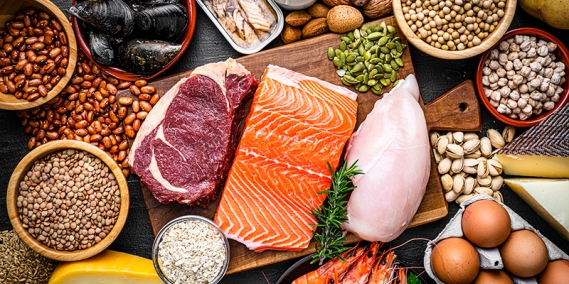
The best protein sources are "complete," meaning they contain all nine essential amino acids your body can't produce on its own. They should also be easy to digest. Here's a breakdown of some excellent choices, both animal-based and plant-based.
Protein Source |
Typical Serving Size |
Approx. Protein (g) |
Key Benefits |
Whey Protein Powder |
1 scoop (30g) |
24g |
Very fast-digesting, high in leucine (a key amino acid for muscle growth). |
Greek Yoghurt (Plain) |
1 cup (227g) |
22g |
Provides both fast (whey) and slow-digesting (casein) protein. Contains probiotics. |
Grilled Chicken Breast |
4 oz (113g) |
35g |
Lean, high-quality complete protein. Versatile for meals. |
Eggs |
3 large |
18g |
Affordable, highly bioavailable, and contains other valuable nutrients in the yolk. |
Cottage Cheese |
1 cup (226g) |
28g |
Rich in slow-digesting casein protein, ideal for sustained muscle repair. |
Lentils (Cooked) |
1 cup (198g) |
18g |
Excellent plant-based source, also rich in fibre and carbohydrates. |
Tofu (Firm) |
1/2 block (180g) |
20g |
Complete plant-based protein, very versatile in cooking. |
Are Complex Or Simple Carbs Better After Training?
This is a great question, and it's one of the few times when "simple" carbs can actually be your friend. The answer depends on your immediate goals.
Simple Carbohydrates (like those in fruit, white rice, or white potatoes) are digested very quickly. They cause a rapid spike in blood sugar and insulin. Usually, we try to avoid this, but after a workout, that insulin spike is beneficial. Insulin is a highly anabolic hormone that helps shuttle nutrients—like glucose and amino acids from your protein—into your depleted muscle cells more efficiently. This kickstarts the recovery process immediately.
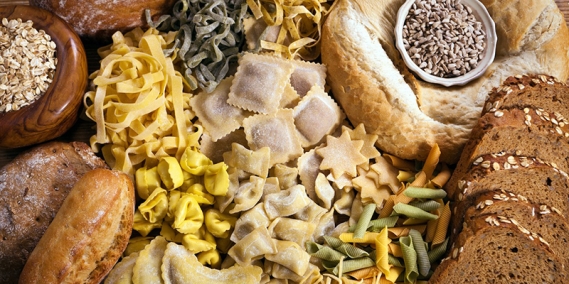
Complex Carbohydrates (like those in oats, quinoa, brown rice, or sweet potatoes) are digested more slowly. They provide a more sustained release of energy. They are fantastic for your overall diet and for meals consumed several hours after your workout.
Here's a simple way to think about it:
- For immediate recovery (within 30-60 mins): A mix of simple and complex carbs is ideal. A banana (simple) with a bowl of oatmeal (complex) is a perfect example.
- If you're training again soon (e.g., twice in one day): Prioritising simple carbs can help you replenish glycogen faster for your next session.
- For general health and a single daily workout: You can't go wrong with high-quality complex carbohydrates. Your body will still replenish its glycogen stores effectively, just over a slightly more extended period.
What About Fats? Should I Avoid Them After a Workout?
You definitely shouldn't fear fat, but it's wise to keep your fat intake low in the meal immediately following your workout. Healthy fats from sources like avocado, nuts, seeds, and olive oil are crucial for hormone production and overall health.
However, fat's primary drawback in a post-workout context is that it significantly slows down the digestion and absorption of other nutrients. When your main goal is to get protein and carbs to your muscles as quickly as possible to start the repair and replenishment process, a high-fat meal can act like a roadblock.
My advice is simple: don't go out of your way to add a lot of fat to your post-workout shake or meal. A small amount is outstanding—for example, the natural fats in an egg yolk or a tablespoon of peanut butter in your oatmeal. Just don't make a high-fat dish, like a creamy alfredo pasta, your go-to recovery meal.
The "When" and "How": Timing and Hydration Secrets
Is The "Anabolic Window" Real? When Should I Eat?
You've probably heard of the "anabolic window," the supposed 30-minute magical period after a workout where you must consume protein or all your gains will be lost. The good news is that's a myth. The window is much broader than we once thought.
While it's true that your body is primed for nutrient absorption after exercise, research shows this heightened sensitivity lasts for several hours. For the average person doing one workout a day, the most important thing is simply hitting their total daily protein and calorie goals.
However, timing still matters for optimising recovery. A practical and effective approach is to eat your post-workout meal within 30 to 90 minutes of finishing your session. This is a sweet spot that takes advantage of your body's heightened sensitivity without causing unnecessary Stress about rushing to eat.
The one exception is if you train in a "fasted" state (e.g., first thing in the morning before breakfast). In that case, it becomes much more important to get your post-workout meal in sooner rather than later, as your body doesn't have circulating amino acids from a prior meal to kickstart recovery.
Beyond Water: What Are The Best Ways To Rehydrate?
Water is always your number one choice for hydration. For most workouts under 60-90 minutes, plain water is all you need. Your goal should be to replace the fluid you've lost. A simple way to check is to weigh yourself before and after your workout. For every pound (or ~0.5 kg) of weight lost, you should aim to drink about 16-24 ounces (or ~500-700 ml) of fluid.

However, for very long or intense workouts, especially in the heat, you lose significant amounts of electrolytes through sweat. Electrolytes are minerals like sodium, potassium, and magnesium that are vital for muscle function and fluid balance.
In these cases, you might benefit from beverages that contain electrolytes:
- Electrolyte Drinks: Low-sugar sports drinks or electrolyte tablets/powders mixed with water are effective. They are specifically designed to replace what you lose in sweat.
- Coconut Water: A great natural option that is high in potassium. It's often called "nature's sports drink."
- Milk or Chocolate Milk: An underrated superstar. It provides fluids for rehydration, carbohydrates to replenish glycogen stores, high-quality protein for muscle repair, and electrolytes like calcium and potassium.
- DIY Drink: You can make your own by mixing water with a splash of fruit juice (for carbs and flavour), a pinch of salt (for sodium), and a little honey or maple syrup.
A good indicator of your hydration status is the colour of your urine. Aim for a pale, light yellow colour. If it's dark, you need to drink more.
Practical Meal Ideas for Every Athlete
What Are Some Quick And Easy Post-Workout Meal Ideas?
Life is busy, and you don't always have time to cook an elaborate meal. Here are some simple, effective, and delicious options you can prepare in minutes.
- The Classic Shake: 1 scoop of whey or plant-based protein powder, one banana, 1 cup of almond milk, and a handful of spinach. Blends in 60 seconds and is perfectly balanced.
- Greek Yoghurt Bowl: 1 cup of plain Greek yoghurt topped with a handful of berries and a drizzle of honey. It's packed with protein and a mix of simple and complex carbs.
- "Grown-Up" Chocolate Milk: Simply mix a scoop of chocolate protein powder with 12-16 oz of skim or low-fat milk. It's simple, cheap, and incredibly effective.
- Quick Scrambled Eggs: 2-3 scrambled eggs with a slice of whole-wheat toast. A warm and satisfying option that's ready in under 5 minutes.
- Cottage Cheese & Fruit: A bowl of cottage cheese topped with sliced peaches or pineapple. This gives you slow-releasing protein and fast-acting carbs.
- Oatmeal Power-Up: A packet of instant oatmeal (plain) mixed with a scoop of protein powder and hot water. Top with some sliced almonds for a bit of texture.
- Tuna & Crackers: A can of tuna in water, mixed with a bit of Greek yoghurt instead of mayo, served with a handful of whole-grain crackers.
How Should My Meal Differ For Cardio Vs. Strength Training?
While the core principles of protein and carbs remain the same, you can slightly adjust your macronutrient ratio to better match the demands of your workout. The primary difference is the fuel source your body prioritises during the activity.
Here's a simple comparison to guide your meal choices:
Factor |
After Strength Training (Lifting, Bodybuilding) |
After Endurance Cardio (Running, Cycling) |
Primary Goal |
Maximise muscle repair and growth (protein synthesis). |
Maximise glycogen replenishment for fuel restoration. |
Macro Focus |
Higher Protein, Moderate Carbs. A ratio of around 1:1 or 1:2 (Protein: Carbs) is effective. |
Higher Carbs, Moderate Protein. A ratio of around 1:3 or 1:4 (Protein: Carbs) is ideal. |
Meal Example |
Grilled chicken breast (30g protein) with 1 cup of quinoa (40g carbs). |
A large bowl of whole-wheat pasta with a lean meat sauce, providing ~25g protein and ~75g carbs. |
Quick Option |
A protein shake with 30g of protein powder and a medium apple. |
A smoothie with one scoop of protein, one banana, berries, and a 1/2 cup of oats. |
Essentially, after lifting, you prioritise the "bricks" (protein) for rebuilding. After a long run, you prioritise the "fuel" (carbs) for refuelling.
Are Protein Shakes a Good Substitute For a Meal?
Protein shakes are an incredibly convenient and effective tool for post-workout recovery, but they aren't a perfect substitute for a whole-food meal every time.
The Pros of Shakes:
- Speed and Convenience: You can mix and drink a shake in two minutes. This is perfect for when you're short on time or at the gym.
- Fast Digestion: Liquid nutrients, primarily from whey protein isolate, are quickly absorbed by the body, making them ideal for the immediate post-workout window.
- Easy to Measure: It's simple to control your exact protein intake and add carbs (like fruit or oat powder) to meet your targets.
The Cons and Why Whole Foods Matter:
- Micronutrients: A grilled chicken breast and a cup of broccoli offer not just protein, but also iron, B vitamins, fibre, and a host of other phytonutrients that a simple protein shake lacks.
- Satiety: Chewing and digesting solid food is more satisfying and keeps you feeling full longer than drinking a liquid. This can be important for overall calorie management.
- Dietary Variety: Relying too heavily on shakes can lead to a less diverse diet, potentially missing out on the vast array of benefits different foods offer.
The Verdict: Use protein shakes as a powerful supplement to your diet, not a replacement for it. They are perfect for that immediate post-workout recovery boost. But you should still aim to have a balanced, whole-food meal an hour or two later.
What Are The Best Vegan And Vegetarian Post-Workout Options?
Getting adequate post-workout nutrition on a plant-based diet is absolutely achievable and can be just as effective. The key is to combine protein sources to ensure you're getting a complete amino acid profile.
Here are some fantastic, high-protein plant-based recovery meals:

- Lentil and Quinoa Bowl: Combine 1 cup of cooked lentils with 1 cup of cooked quinoa. This duo creates a complete protein and is packed with carbs and fibre. Add some roasted vegetables for extra nutrients.
- Tofu Scramble: Scramble a block of firm tofu with turmeric, black salt (kala namak, for an eggy flavour), and nutritional yeast. Serve with a side of roasted sweet potatoes.
- Plant-Based Protein Shake: Blend one scoop of pea or soy protein isolate powder, 1 cup of soy milk, a frozen banana, and a tablespoon of peanut butter.
- Bean and Rice Burrito: A whole-wheat tortilla filled with black beans, brown rice, salsa, and a small amount of avocado. A classic, effective, and delicious combination.
- Edamame and a Pear: A cup of steamed edamame provides a surprising amount of protein (~18g), and pairing it with a piece of fruit gives you the quick carbs you need.
Remember that many plant proteins (like beans or nuts) aren't "complete" on their own. However, by eating a variety of plant sources throughout the day (like grains, legumes, and seeds), your body can pool the amino acids to get everything it needs. You don't necessarily have to combine them in the same meal.
Common Pitfalls and Special Considerations
What Are The Biggest Post-Workout Nutrition Mistakes To Avoid?
Even with the best intentions, it's easy to make a few common mistakes that can sabotage your recovery efforts. Here are the top three to watch out for:
- Waiting Too Long to Eat: While the 30-minute "anabolic window" is a bit of an exaggeration, waiting hours to eat is a mistake. Doing so prolongs the catabolic (breakdown) state your body is in, delaying recovery, increasing soreness, and potentially compromising your results. Try to eat within 90 minutes.
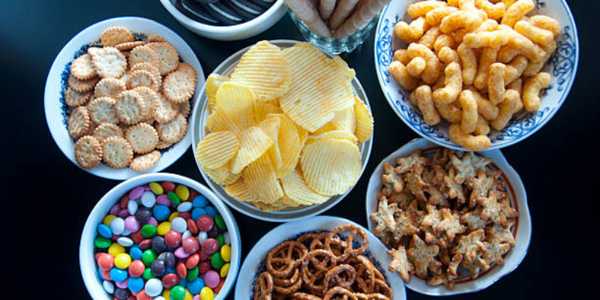
- Rewarding Yourself with Junk Food: It's tempting to think, "I just burned 500 calories, so I've earned this doughnut." While an occasional treat is fine, making high-sugar, high-fat, low-nutrient foods your go-to post-workout meal is a huge error. These foods lack the quality protein and complex carbs your muscles are craving and can promote inflammation, doing more harm than good.
- Under-eating or Fearing Carbs: In an effort to lose weight, many people skimp on their post-workout meal, especially the carbohydrates. This is counterproductive. You need carbs to replenish your energy stores. Without them, your body may start breaking down muscle tissue for energy, which is the exact opposite of what you want. Fuel your recovery properly.
I Work Out Late At Night. Should I Eat Before Bed?
Yes, you absolutely should. The myth that eating before bed automatically leads to fat gain is one of the most persistent in nutrition. Your body doesn't shut down its metabolism when you sleep; in fact, sleep is a prime time for muscle repair and growth. What matters most is your total calorie intake over 24 hours, not the specific timing of your meals.

Skipping your post-workout meal after a late-night session means you're denying your body the crucial building blocks it needs for recovery during that long overnight fast. This can lead to increased muscle soreness and poorer results.
The key is to be smart about it. You don't need a massive, heavy meal. A light, easily digestible option focused on protein and a small number of carbs is perfect:
- A bowl of Greek yoghurt or cottage cheese.
- A slight protein shake made with water instead of milk.
- A couple of hard-boiled eggs.
This will fuel your recovery overnight without making you feel uncomfortably full or disrupting your sleep.
Are There Any Supplements Besides Protein Worth Considering?
While a solid diet should always be your foundation, a few supplements have strong scientific backing for aiding recovery and performance. Protein powder is the most common, but here are two others worth considering:
1. Creatine Monohydrate: This is one of the most researched and effective supplements on the market. It doesn't work as quickly as Caffeine, but it builds up in your muscles over time. Creatine helps your body regenerate its most immediate form of energy (ATP), allowing you to perform more reps and sets during your workout. It also draws water into muscle cells, which can aid in recovery and protein synthesis. A standard dose is 3-5 grams per day, taken at any time.
2. Electrolytes: As mentioned earlier, if you are a heavy sweater, train for extended durations (90+ minutes), or exercise in a hot environment, an electrolyte supplement can be very beneficial. It helps restore the minerals lost in sweat, preventing dehydration, cramping, and performance declines. Look for a simple formula with minimal added sugar.
Beyond these, many other supplements are marketed for recovery, but their effectiveness is often debated and less supported by substantial evidence. Always focus on your whole-food nutrition first, then consider adding a well-researched supplement if it aligns with your goals and budget.
Conclusion
Mastering your post-workout nutrition doesn't have to be complicated. By focusing on the fundamentals—the "3 R's" of Repair with protein, Replenish with carbohydrates, and Rehydrate with fluids—you provide your body with precisely what it needs to recover faster, get stronger, and achieve your fitness goals. Remember to consume your recovery meal within about 90 minutes of your workout for the best results.
Use the meal ideas and principles in this guide as your blueprint. Whether you choose a quick shake, a yoghurt bowl, or a full meal of chicken and rice, consistency is what will turn your gym effort into lasting change. You've already done the hard work; now give your body the fuel it has earned.
Found this guide helpful? Please share it with a friend or your workout partner so you can both optimise your recovery and celebrate your progress together!
Related Articles
Dessert
April 15, 2026
Sugar-free Baking Substitutes for Diabetics
Dessert
April 13, 2026
Simple Cupcake Recipes With Creative Toppings

Getting Started
April 6, 2026
The Hidden Risks Of Chasing Hot Stocks As a Beginner

Getting Started
March 31, 2026
The "Index And Select Few" Strategy For Beginner Investors

Most viewed
Sugar-free Baking Substitutes for Diabetics
April 15, 2026
Dessert
Superfood Lattes: Health-Boosting Drinks For Every Mood
April 3, 2026

Dessert
The Truth About Processed Foods and Their Impact on Health
March 31, 2026
Dessert
The "Index And Select Few" Strategy For Beginner Investors
March 31, 2026
Getting Started